


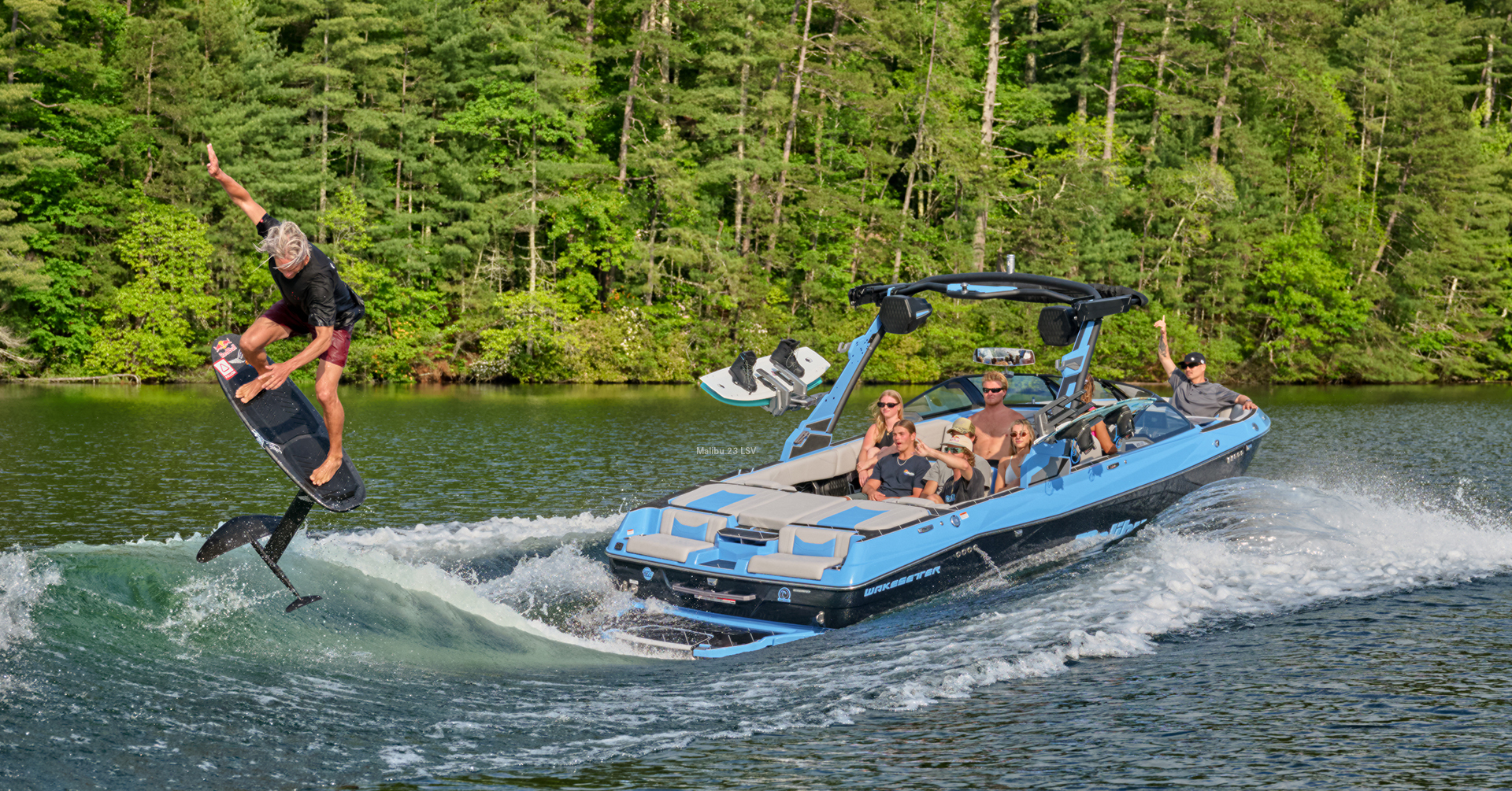
The initial tow-sports session of the season represents a significant increase in the operational demands placed on your vessel's drivetrain, electrical distribution loops, and automated ballast manifolds. For captains piloting premium inboard wake platforms like a Malibu equipped with digital Surf Gate technology or an Axis utilizing the manual Auto-Wedge system, delivering a precise, repeatable pull requires strict operational discipline. Across the Southeast’s premier waterways—whether navigating the high-density holiday traffic of Lake Lanier, tracking deep-water lines on Lake Allatoona, or maneuvering the expansive shorelines of Lake Martin, Lake Oconee, and Lake Keowee—improvising at the helm compromises rider safety and strains your propulsion assets.
Implementing a structured tow-sports integration protocol ensures you maximize wave translation while protecting your equipment from premature fatigue.
1. Enforce Structural Crew Allocations Before Engine Ignition
Safely managing a towed athlete while navigating congested southern waterways requires dividing the helm's cognitive load. Dictating maneuvers through an unorganized crew leads to delayed reactions and close-quarters liabilities.
- The Helm Commander (Driver): The captain's vision must remain locked 100% on forward navigation vectors, shallow-water bathymetric depths, and oncoming vessel traffic. Never look back to watch the rider; let the digital speed control systems manage the tracking velocity.
- The Technical Observer: Position an alert crew member facing directly aft. This individual is legally responsible for signaling rider falls immediately, translating hand commands, and tracking surrounding watercraft positioning relative to the tow line.
- The Rigging Manager: Designate a single individual to handle rope deployment, secure loose boards in the wake towers, and clear the aft cockpit layout of clutter.
2. Physical Inspection of Tow-Line Architecture
Towing a ballasted hull generates intense tensile stress across your structural towing tower, board racks, and connection points. Utilizing compromised or improper rigging introduces an immediate structural hazard.
- Line Composition Validation: Meticulously check your lines for structural fraying, hard knots, or UV-dry rot. Wakeboarding lines must be constructed from non-stretch Spectra or Dyneema resins to prevent dangerous recoil energy; wakesurfing lines must be short, thick, and heavily knotted with integrated foam floats.
- Staging Cleanliness: Never allow loose tow lines to snake across the passenger deck where they can wrap around cleats, equipment, or passengers' limbs. Keep your ropes coiled tightly inside dedicated sub-floor lockers until the hull is completely stationary outside the navigation channels.
3. Establish Conservative Baseline Control Metrics
Do not attempt to dial in aggressive, competition-level displacements or max out your internal ballast tanks during your initial outing. Focus on establishing a predictable, stable baseline to restore your crew's muscle memory.
- Velocity Calibration: Begin with conservative, factory-recommended speeds—typically 10 to 11 MPH for wakesurfing and 20 to 22 MPH for wakeboarding.
- Incremental Displacement Adjustments: Fill your hard tanks and plug-and-play ballast bags symmetrically first. Introduce your Power Wedge or Auto-Wedge configurations incrementally, making single adjustments one at a time to analyze how changing the hull’s running attitude impacts engine operating temperatures and fuel burn.
- Log Rider Parameters: Utilize your Malibu Command Center or Axis digital dashes to save individual rider profiles (presets for speed, line length, and wedge displacement) to eliminate future guesswork at the binnacle.
4. Directives for High-Torque Helm Management
Inboard tournament boats handle fundamentally differently than traditional sterndrives or outboards, particularly when ballasted with thousands of pounds of sub-floor water.
- Linear Throttle Modulation: Avoid hammering the throttle from a dead stop. Apply smooth, linear acceleration to pop the rider out of the hole shot without Cavitation or inducing excessive thermal spikes across your cooling galleries.
- The Low-Wake Retrieval Turn: When a rider falls, never execute a high-speed power turn back through your own wake, as this sends destructive rollers across the channel that disrupt the water for other boaters and slam your own hull. Pull the throttle to neutral, let the boat settle completely, and spin the helm at idle speed to reverse down your clean wake path.
- Perimeter Buffers: Maintain a minimum 200-foot safety clearance from shorelines, private docks, swimming zones, and anchored vessels to ensure your heavy displacement wave does not cause shoreline erosion or property damage.
5. Preventative Mid-Season Maintenance and Mechanical Integrity
Heavy towing racks up engine hours faster than any other boating discipline. Running an inboard V-drive with high ballast payloads increases thermal loads on transmission oil coolers and engine blocks.
- Track Cumulative Engine Hours: Monitor your instrument displays diligently. Inboards operating under high load require rigorous maintenance intervals to preserve factory warranties.
- The 100/200-Hour Maintenance Milestones: Do not delay critical internal fluid changes until a component fails mid-summer. Frequent riders must plan ahead to book structural engine oil flushes, V-drive transmission fluid swaps, raw-water pump impeller replacements, and tracking fin audits before peak holiday weekends.
- Certified Professional Support: Schedule an exhaustive multi-point systems diagnostic with our factory-trained technicians at the Singleton Marine Service - Buford, GA division to ensure your automated digital surf gates and internal ballast manifolds clear cleanly.
Technical Frequently Asked Questions
What is the single most common operational error executed during the initial tow day?
The primary failure stems from a lack of assigned crew roles and uncoordinated communication, which leads to loose tow lines tangling in the running gear or the captain losing situational awareness of surrounding channel traffic.
How can I eliminate mid-summer mechanical downtime during peak periods?
The most effective strategy is tracking your engine hours on a weekly log and proactively scheduling your 100-hour or 200-hour service baselines well in advance of the manufacturer's deadlines.
Sourcing Factory-Authorized Inboard Components
Optimizing a high-performance tournament boat requires outfitting the platform with hardware and apparel calibrated to exact structural tolerances.
- Premium Pro Shop Equipment: Visit our dedicated Pro Shop to procure tournament-grade life vests, high-tensile non-stretch tow ropes, customized boards, and performance ballast accessories.
- Genuine OEM Parts and Fluids: For operators managing routine personal maintenance, our local Parts - Buford, GA counter stocks factory-direct filters, synthetic V-drive lubricants, sacrificial anodes, and high-impact replacement fenders.
- Propulsion Overhauls and Optimization: If your current engine struggles to get a fully ballasted boat on plane, or if your mechanical binnacle exhibits shift lag, consult our authorized Repower Mercury - Buford, GA or Repower Yamaha - Buford, GA specialists to restore your mechanical advantage.
Corporate Credit and Fleet Allocations
What structural asset credit programs exist for financing a modern tow-sports boat?
Our specialized Financing office provides tailored loan packages, allowing you to bundle a high-performance modern hull, digital ballast upgrades, and localized Marine Insurance into a single framework.
Can I utilize my current dayboat as trade equity to transition into a surf-specific build?
Yes. We facilitate transparent, market-accurate appraisals through our internal Sell / Trade division, making it highly efficient to liquidate your old hull and apply that value directly toward our curated inventory of New Boats or strictly inspected Used Boats.
How do I track upcoming dealer events or connect with Singleton Marine?
To learn about our maritime legacy serving southern boaters across Georgia, Alabama, and South Carolina, visit our About page. You can monitor upcoming captain safety workshops on our Events page, track continuous technical maintenance updates on our Blog, review customer feedback on our Reviews page, or check current dealership promotions on our Specials page. To review long-term mechanical protection parameters, consult our Extended Service Contracts checklist. For maps and showroom hours, visit our Contact page.