


Deciding to transition out of a current watercraft and invest in a modernized platform is a strategic inflection point in an owner's nautical lifestyle. Across the Southeast’s premier inland waterways—whether managing assets on the high-density open water of Lake Lanier, navigating deep-water corridors on Lake Allatoona, or operating across the expansive networks of Lake Martin, Lake Oconee, and Lake Keowee—maintaining a vessel that no longer aligns with your operational requirements or crew dynamics introduces severe inefficiencies. Operating an underpowered, cramped, or high-maintenance platform compromises defensive pilotage and turns what should be a premium weekend retreat into a source of logistical strain.
Recognizing the key mechanical, spatial, and structural indicators that your vessel has reached the end of its utility allows captains to maximize their asset reallocation and elevate their on-the-water capability.
1. Spatial Displacement and Evolving Crew Dynamics
A vessel's deck layout must directly match the physical capacity and recreational preferences of your passengers. When a layout forces tight seating configurations or restricts structural movement, it introduces immediate onboard safety hazards.
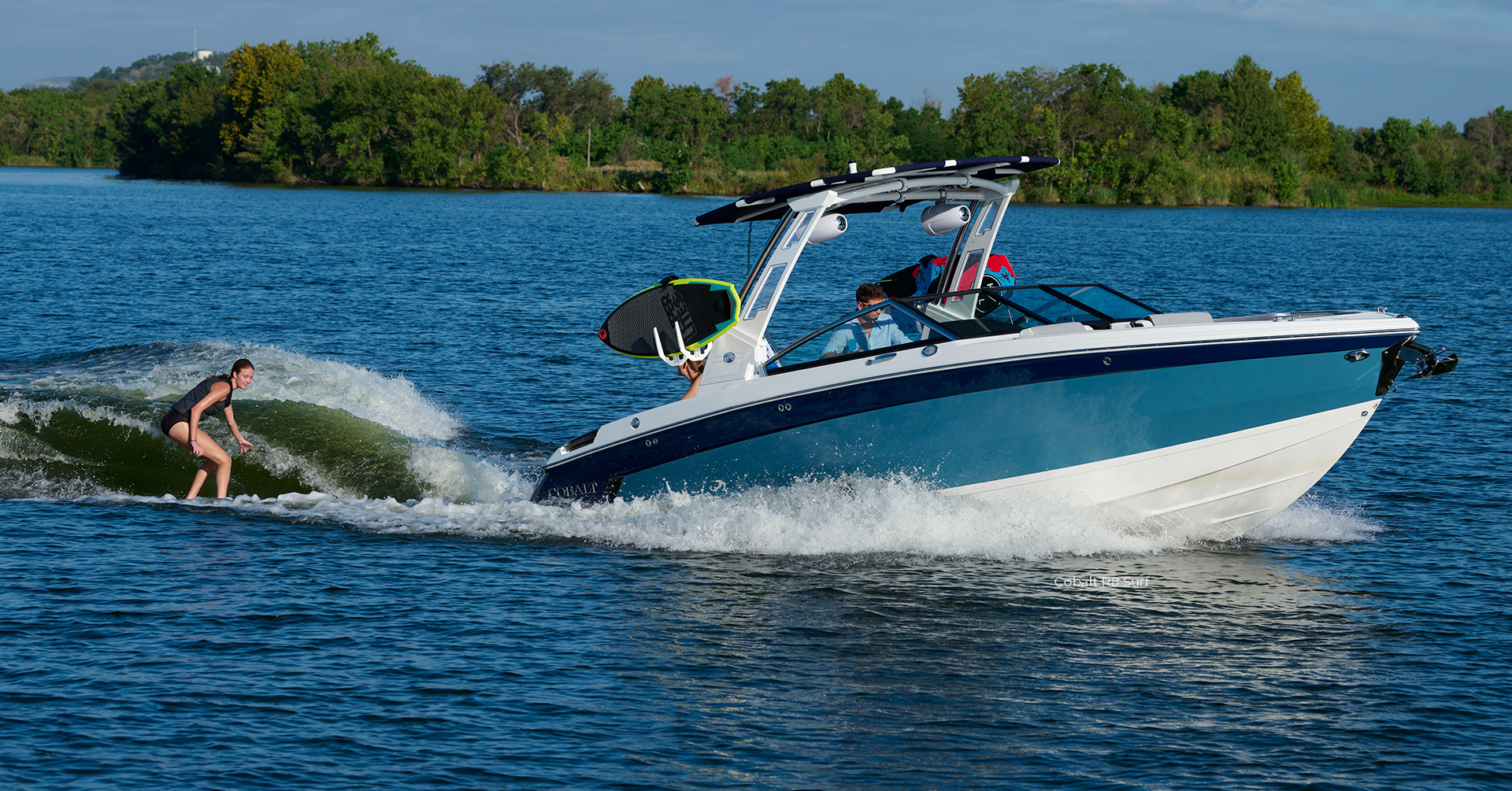
- Shifting Technical Disciplines: Families frequently outgrow their initial boat types as passenger interests evolve. A traditional runabout or dayboat layout cannot effectively manage the dense sub-floor water displacement, automated ballast pumping grids, and wake-shaping hardware required if your crew transitions from casual towing to high-torque wakeboarding or wakesurfing.
- Vessel Capacity Constraints: Attempting to force a growing crew into an inadequate beam width compromises weight distribution, forces the bow to ride high, and degrades responsive steering controls. Upgrading to an expanded platform eliminates layout compromises and ensures a stable, level running attitude under full passenger payloads.
2. Geographic Reallocation and Structural Hull Requirements
A watercraft must be engineered specifically for the hydrodynamics of the environment where it operates. Taking a hull out of its intended design parameters compromises both tracking efficiency and structural longevity.
- Deep-Vee vs. Flat-Bottom Architectures: If your maritime goals expand from shallower inland rivers to massive open-water reservoirs or offshore coastal zones, operating a low-freeboard dayboat or flat-bottom skiff becomes hazardous. Navigating heavy afternoon chop or open swells demands a deeper, sharp-entry V-hull designed to slice through rollers smoothly and keep passengers dry.
- Task-Specific Tooling: Transitioning your primary mission—such as moving from leisure cruising to dedicated offshore angling—requires a hull equipped with self-bailing cockpits, integrated livewell filtration arrays, structural outrigger mounts, and advanced electronic navigation suites that traditional dayboats simply lack.
3. Accelerated Mechanical Maintenance and Diminishing Asset Value
Retaining a aging power plant or a structurally fatigued hull past its peak operational lifecycle rapidly transforms a high-value marine asset into a draining capital liability.
- The Sunk-Cost Threshold: If your pre-flight routine frequently reveals loose wiring grounds, failing raw-water pump impellers, or stretched shift linkages, you are managing equipment failures rather than executing routine preventative upkeep. Spending more time wielding tools at the courtesy dock than behind the remote binnacle control signals immediate mechanical depreciation.
- Drivetrain Vulnerabilities: Older outboards and sterndrives operating under high heat loads suffer from reduced cooling-gallery efficiency and increased electrical system resistance. Upgrading to a modernized platform eliminates the risk of seasonal breakdowns and ensures absolute mechanical confidence during long-range cruising.
4. Reduced Handling Enjoyment and Structural Stress
A captain's primary duty is executing precise, controlled maneuvers. If a vessel has become physically exhausting or stressful to operate, it directly impacts pilot alertness and fleet safety.
- Propulsion and Steering Lag: Aging steering cables that experience internal binding or looser mechanical throttles degrade your ability to execute micro-corrections during close-quarters marina docking or high-wind trailer loading.
- Ergonomic and Acoustic Strain: Heavy engine vibration, loud exhaust frequencies, and a harsh hull ride accelerate crew fatigue during extended exposure to the summer sun. Upgrading to a hull featuring advanced composite construction and digital throttle synchronization restores total handling control.
5. Advanced Telemetry and Integrated Performance Technology
Upgrading your platform is frequently driven by the pursuit of enhanced capability, expanded range, and cutting-edge marine technology that turns a standard run into an elite experience.
- Digital Switching and Joystick Integration: Modern premium vessels leverage completely integrated digital networks that centralize engine diagnostics, automated ballast configurations, and multi-zone thermal controls into touchscreen command centers. Implementing joystick piloting and electronic positioning networks eliminates the stress of tight-slip maneuvering entirely.
- Propulsion Overhauls: Upriding your transom with modernized power plants delivers exceptional torque curves, reduced fuel-burn rates, and increased electrical charging capacities to support high-output marine audio amplifiers and cooling accessories easily.
Technical Frequently Asked Questions
What is the primary financial mistake owners execute when delaying a boat upgrade?
The most severe financial failure involves continuing to invest heavy maintenance capital into a depreciating asset with a failing mechanical history. This sinks unrecoverable funds into an aging platform while its trade equity continues to drop.
How does upgrading to a task-specific hull design enhance overall fleet safety?
A hull engineered precisely for its environment—such as a deep-Vee configuration for heavy open chop or a forward-drive inboard for tow-sports—ensures predictable tracking, structural integrity, and proper center-of-gravity stability under demanding conditions.
Sourcing Authorized Upgrades & Certified Diagnostics
Maximizing your asset reallocation and selecting a platform tailored to your specific regional routine requires professional technical oversight.
- Certified Multi-Point Systems Audits: If you are preparing to list your current watercraft or need to verify the mechanical baseline of your drivetrain before trading, schedule an exhaustive inspection with our factory-trained technicians at the Singleton Marine Service - Buford, GA division.
- Premium Rigging and Accessories: Our local Parts - Buford, GA counter and fully stocked Pro Shop supply factory-direct filters, sacrificial anodes, high-tensile mooring lines, and heavy-walled fenders to outfit your new platform flawlessly.
- Propulsion System Modernization: For captains seeking to replace an aging powerhead on an existing hull rather than executing a full layout trade, our authorized Repower Mercury - Buford, GA and Repower Yamaha - Buford, GA specialists can outfit your transom with absolute mechanical reliability.
Commercial Credit and Asset Reallocation
What structural asset credit programs exist for transitioning into a modernized boat?
Our specialized Financing office provides tailored, custom loan configurations, allowing you to seamlessly bundle your choice of high-performance modern hull, reliable outboards, and comprehensive Marine Insurance packages into a single structured framework.
How can I leverage my current boat's equity to streamline an upgrade?
We facilitate transparent, market-accurate asset evaluations through our internal Sell / Trade division. This makes it highly efficient to liquidate your old hull, eliminate personal listing hassles, and apply that equity directly toward our premier inventory of New Boats or thoroughly inspected Used Boats.
How do I track upcoming dealer events or connect with Singleton Marine?
To learn about our corporate footprint serving Southern mariners across Georgia, Alabama, and South Carolina since the late 1980s, visit our About page. You can monitor upcoming captain safety workshops and regional rendezvous on our Events page, track continuous technical maintenance guides on our Blog, or see verified customer feedback on our Reviews page. To review long-term mechanical protection parameters, consult our Extended Service Contracts checklist, and find current promotions on our Specials page. For showroom maps and operating hours across all our regional dealer hubs, visit our Contact page.