


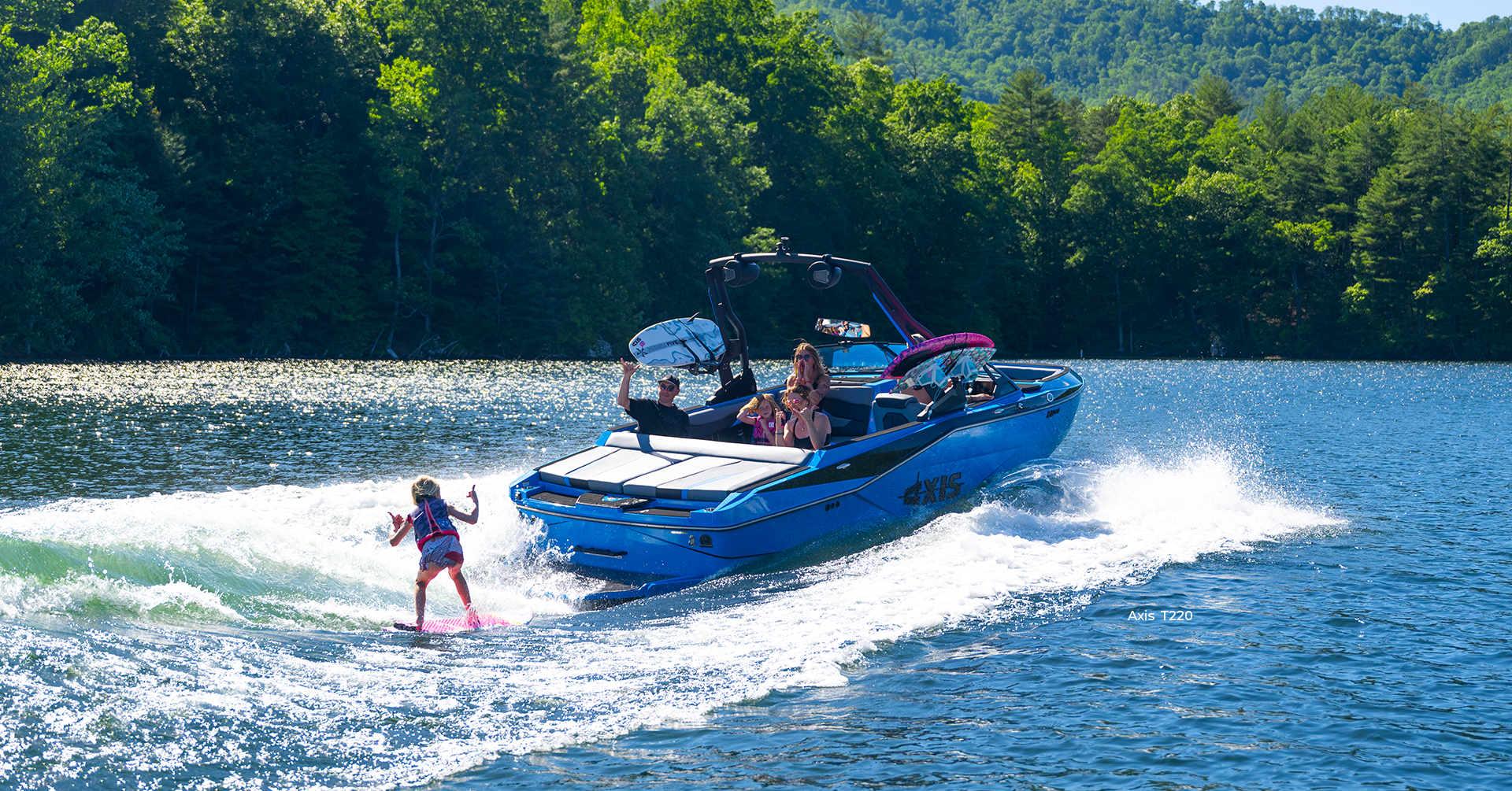
Navigating across the expansive open water of Lake Martin to establish a stationary presence near Chimney Rock is a quintessential milestone of the Alabama maritime lifestyle. This iconic geological formation, characterized by its sheer vertical stone profile rising directly from the lake bed on the eastern shoreline, serves as a high-density natural theater and a premier social anchorage during the warm weather season. Because this landmark is accessible exclusively by water, a successful run requires precise command decisions, a bulletproof grounding strategy, and complete situational awareness to manage the dense afternoon vessel traffic and shifting wind conditions safely.
For captains utilizing high-capacity pontoons, premium deck boats, or tournament wake sports platforms, transitioning smoothly into the social energy of Chimney Rock relies heavily on proactive mechanical prep and disciplined seamanship.
1. Execute a Tactical Approach and Anchor Integration
The deep, rock-strewn bottom and high vessel density surrounding Chimney Rock leave zero margin for error when setting your ground tackle. A drifting vessel in this perimeter poses an immediate safety hazard to swimmers and neighboring hulls.
- Recalibrate the Entry Vector: As you approach the rock face, throttle down to a controlled idle speed well outside the active swimming zone. Observe the existing swing circles of already-anchored watercraft and real-time current drift before choosing your coordinates.
- Apply Precise Anchor Mechanics: Never drop your anchor in a tangled pile or hurl it blindly from the bow. Lower the ground tackle cleanly until it hits the bottom layout, then slowly back down under light reverse idle to force the flukes deep into the lake bed.
- Maintain Strict Horizontal Scope: Due to the steep underwater drops near the shoreline, maintain a minimum 5:1 scope ratio (five feet of high-tensile nylon line for every one foot of total vertical depth plus bow freeboard). Let the boat settle for 10 minutes and verify your holding alignment against fixed stone markers on the ridge before permitting anyone to leave the deck.
2. Implement Onboard Deck Zoning and Safety Boundaries
The social atmosphere of a crowded cove can quickly lead to chaotic deck spaces if passengers are left unmanaged. Establishing distinct physical quadrants keeps your platform organized and safe.
- The Wet Staging Perimeter: Restrict all wet towels, inflatables, and dripping swimmers to the aft swim platform and the immediate transom walk-through. This keeps your main fiberglass layout dry and prevents dangerous slip-and-fall injuries.
- The Command Link Sanctuary: Keep the helm station, primary gunwales, and windlass areas completely clear of passengers, loose gear, and clutter. The captain must maintain an unobstructed 360-degree line of sight to monitor approaching boat traffic and changing water conditions.
- Pinch Point and Cleat Discipline: Ensure all mooring lines are flaked neatly and that guests keep fingers and limbs completely clear of high-tension cleats and anchor chains, which can shift suddenly when hit by the displacement wake of a passing vessel.
3. Coordinate Thermal and Electrical Asset Management
Sustained afternoon anchoring under the intense Alabama sun strains both your passengers' physical endurance and your watercraft's internal battery architecture.
- Proactive Canopy Deployment: Do not wait for your crew to exhibit signs of lethargy or heat stress. Deploy your factory bimini top or extension sunshades immediately upon setting your anchor to reduce cockpit temperatures and shield guests from direct UV exposure.
- Electrical Load Balances: Running high-output marine audio configurations, multi-zone lighting, and raw-water washdown pumps for hours while the engine is off deep-cycles your battery banks. Monitor your helm instrumentation closely; if your system drops below 12.2 volts, fire up your engine to initiate an alternate charging cycle and protect your starting power.
4. Run Pre-Departure Systems Checks
Preparing for the high-speed cruise back to your home slip or the public launch ramp requires a brief, structured operational check before retrieving your ground tackle.
- Debris Containment: Bag all garbage tightly and secure it in a latched sub-floor locker so loose materials do not blow into the water column once you reach cruising speeds.
- Pre-Stage Docking Infrastructure: While still stationary, flake your double-braid nylon dock lines neatly and hang your high-impact fenders along the proper rail. Pre-staging your docking equipment allows you to approach a busy marina or launch lanes at dead idle without last-second scrambling.
Optimizing Your Vessel for Lake Martin Adventures
Maximizing your time at premier destinations like Chimney Rock relies on outfitting your hull with components and systems calibrated to exact factory tolerances.
- Certified Mechanical Audits: Ensure your steering linkages respond instantly and your engine’s cooling circuit is clear of silt and mud. Schedule a comprehensive diagnostic multi-point checkup with our factory-trained specialists at our local Service - Buford, GA division.
- Sourcing Premium Marine Hardware: For do-it-yourself mariners upgrading their ground tackle or safety gear before heading out, our Parts - Buford, GA and Pro Shop counters stock heavy-duty fluke anchors, galvanized chains, premium coolers, and Coast Guard-approved life vests.
- Propulsion Optimization: If your current engine struggles to maintain a clean idle under heavy passenger payloads, or if your mechanical binnacle exhibits shift lag, consult our authorized Repower Mercury - Buford, GA or Repower Yamaha - Buford, GA teams to restore your mechanical advantage.
Corporate Credit and Fleet Allocations
What structural credit frameworks exist for upgrading to a premium family dayboat?
Our internal Financing office provides customized loan configurations, allowing you to bundle a high-performance modern hull, electronic navigation upgrades, and specialized Marine Insurance into a single plan.
Can I leverage my current boat as trade equity toward a newer model this season?
Yes. We coordinate transparent, market-accurate asset evaluations through our Sell / Trade division, making it highly efficient to liquidate your current watercraft and apply that value directly toward our curated inventory of premium New Boats or thoroughly inspected Used Boats.
How do I track upcoming regional updates or connect with Singleton Marine?
To learn about our corporate history serving Southeastern mariners since the late 1980s, visit our About page. You can monitor our active schedule of safe-boating seminars and seasonal consumer rendezvous on our Events page, track continuous technical maintenance guides on our Blog, or see verified customer feedback on our Reviews page. To review long-term mechanical coverages, check our Extended Service Contracts checklist, and find current promotions on our Specials page. For showroom maps and operating hours across our regional dealer hubs, visit our Contact page.